
Asa Med Implants is a manufacturer of orthopedic products.
The company’s latest product is Asa Med bone graft.
Nature of the product:
Asa Med bone graft is a synthetic bone graft and bioceramic used in orthopedic, dental, and maxillofacial surgeries for the repair and reconstruction of bone defects caused by trauma and various pathological conditions. This material belongs to the group of calcium–sodium–phosphosilicate bioactive glasses, which are available in different grades depending on their chemical composition.

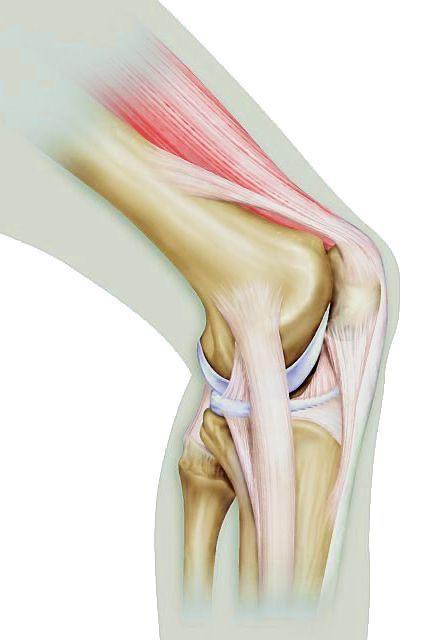
Orthopedic applications
- traumatology
- arthrodesis
- prosthesis revision
- filling bone defects after tumor resection
- vertebral
- tibia osteoto
Dental Application
- Periodontal/infrabony defects
- Alveolar ridge augmentation (sinusotomy,osteotomy,cysteotomy)
- Dental extraction sites (ridge maintenance,implant preparation/placement)
- Sinus lifts
- Cystic defects
- Craniofacial augmentation
Functional Principles of Asa Med:
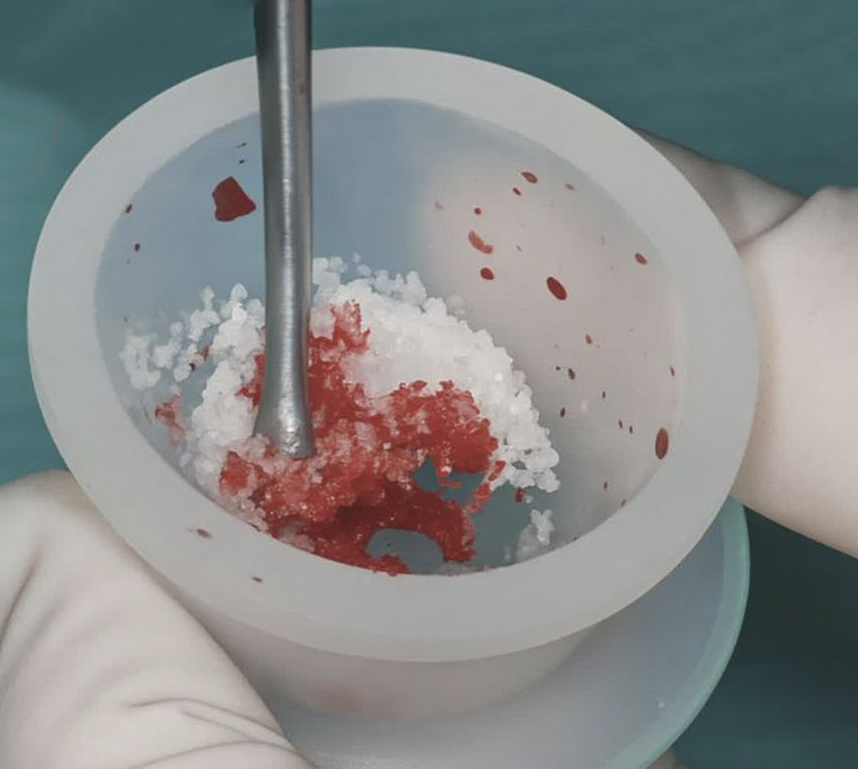
Asa Med can be used either alone or in combination with allograft bone powder. Prior to application, the powder is mixed with sterile water, saline, or the patient’s autologous blood to form a moist paste, which is then placed at the site of the bone defect.
Mechanism of Action After Implantation (Five Stages):
- Initial ionic exchange: Immediately after implantation, the graft particles undergo ionic exchange with the surrounding biological fluids.
- Formation of a calcium–phosphate layer: These reactions lead to the formation of a calcium–phosphate layer on the surface of the graft particles, which closely resembles the mineral phase of natural bone and enables bonding between the graft and host bone.
- Stimulation of bone regeneration: Increased local concentrations of silicon and phosphorus induce genetic stimulation of bone regeneration by promoting the differentiation of stem cells into osteoblasts and enhancing their proliferation.
- Antibacterial and regenerative effects: A relative increase in local pH and osmotic pressure confers antibacterial properties to the graft, while simultaneously activating angiogenesis, anti-inflammatory factors, and regenerative mediators, thereby facilitating the healing process.
- New bone formation: Ultimately, osteoblasts regenerate natural bone through the production of a collagen matrix followed by mineralization of the newly formed bone.
Mechanism of Action after Implantation:
Other synthetic bone grafts are commonly produced based on hydroxyapatite and tricalcium phosphate. In addition, bone grafts of animal and human origin are commercially available.
In contrast, Asa Med is a bioactive glass with a well-defined chemical composition, consisting of 45 wt% SiO₂ as the primary network former of the bioactive glass, 24.5 wt% Na₂O and 24.5 wt% CaO as network modifiers, and 6 wt% P₂O₅ as a constituent of the calcium–phosphate phase.

Key Features of Asa Med:
- High biocompatibility
- Bioactivity
- Osteoconductivity
- Osteostimulatory properties
- Bioabsorbability
- Antibacterial properties
- Anti-inflammatory effects
- Regenerative properties
- Hydrophilicity, adequate adhesion, and ease of handling